2016年12月9日金曜日

ついに多言語音声ガイドが導入されました!

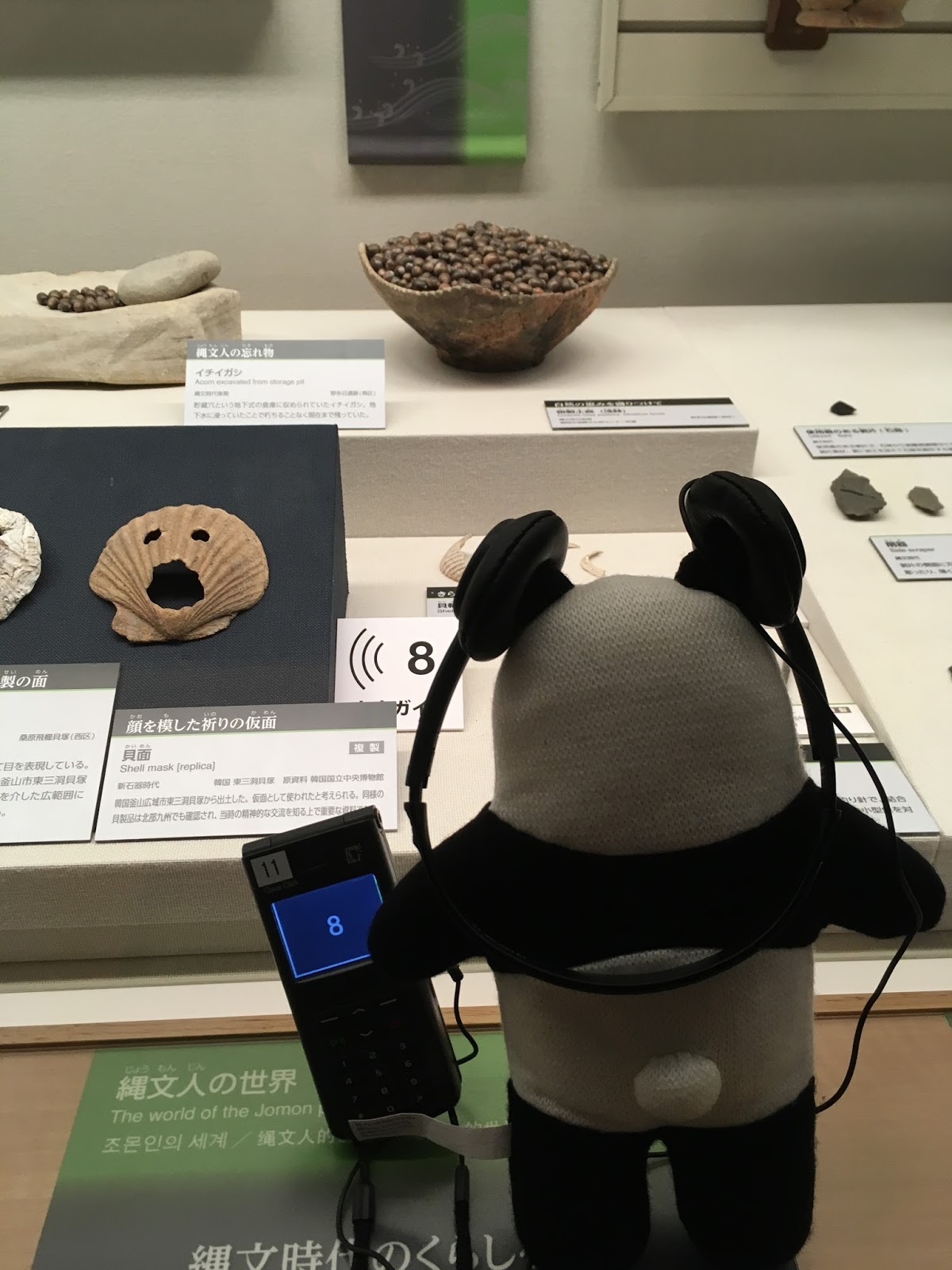
2013年にリニューアルされ、内容が盛りだくさんの常設展、皆様はもうご覧になりましたでしょうか。もうご覧になったという方もそうでない方も!是非お勧めしたいのがこちらの音声ガイドです。


大きさもちょうどよく、館内の持ち運びも楽々!

使い方は簡単。展示物そばに表示されている番号のボタンを押すだけ!より詳しい情報を聞けるようになっています。


それではその冒頭部分を、ちょっとだけご紹介しましょう・・。

本日は、ようこそ福岡市博物館へお越しくださいました。
福岡市は九州の北部、玄界灘に面した都市で、日本列島の西の端に位置しています。福岡市を中心に同心円を描いてみると、大阪市と韓国のソウルが500キロメートル、東京都と中国の上海が1000キロメートル程の距離に位置しており、意外なほど外国が近いことが分かります。
この常設展示では、海外交流の玄関口であった福岡の歴史と、今もここに生きる人々のくらしをご紹介します。それは、まさに地域の自画像です。

おもしろそうでしょう?音声ガイドには、楽しくてためになるガイドがなんと53件も録音されています!一度じゃ全部聞ききれないかも?

現在、アンケートにお答えいただいた方には無料で音声ガイドの貸し出しを行っております。

音声ガイドを聞いて、福岡についてより詳しくなりましょう♪

Posted by たかむら

Finally! We have introduced a multilingual audio guidance service at our permanent exhibition room!

We renewed the content of our permanent exhibition room in 2012. We are very proud of what we have, which covers the long and rich history of Fukuoka. However, there was one concern. We didn’t have a multilingual audio guidance service--until today! We are very proud to announce we have introduced a multilingual audio guide now! It is available in 4 languages: Japanese, English, Chinese and Korean.


Look how handy it is! Good size to carry around in the huge exhibition room.

It’s easy to use too! There are numbered cards distributed throughout the exhibition room. Simply input the number on the card into the handheld, and you’ll receive information on the display.

 
I’ll give you one example…

Hello, and welcome to the Fukuoka City Museum.
Positioned at the western end of the Japanese archipelago, Fukuoka City is located in northern Kyushu and faces the Japan Genkainada Sea. If concentric circles are drawn with Fukuoka City as the centre point, Osaka and Seoul, Korea are equidistant at five hundred kilometres, while Tokyo and Shanghai are both 1,000 kilometres away. Fukuoka is surprisingly close to foreign countries.
 The permanent exhibition reflects Fukuoka’s historical exchange with foreign countries as an entrance to Japan. It also introduces the lives of the people residing here, and truly is a portrait of this region.

Interesting, isn’t it? There are 53 explanations like this recorded in the device! You may find it difficult to listen to all of them in just one day! For now, we are offering this service for free to those who participate in a feedback questionnaire. How about trying out the audio guide and becoming an expert on Fukuoka?


Posted by Takamura

“Hakata Gion Yamakasa” —float festival-designated by UNESCO as an Intangible Cultural Heritage.

December 1st, 2016 (Japan time), UNESCO officially registered 33 “Yama, Hoko, Yatai, float festivals in Japan” including the Hakata Gion Yamakasa Festival on its list of intangible cultural heritages. .


To commemorate the designation, we will display pictures of the festival from the Edo to the Taisho period in our permanent exhibition room. (To maintain the quality of the exhibits, the open period will be until January 29th, 2017).


The display includes:
A Yamakasa float drawing by Mr. Mitoma, one of the most famous Yamakasa artists of the Edo period, 1829.

 A drawing depicting a float from the Meiji period, when Yamakasa floats were at the highest they reached during the long history of the Yamakasa festival.

After the Meiji period, due to the modernization of the Hakata district, the size floats gradually became  lower and wider. In the Taisho period, floats were been categorized into two major categories, the Kazari Yama, decorative float, and Kakiyama, moving float. You can see the earliest images of these two floats in traditional drawings.  Please observe how greatly Yamakasa float Designs have changed through history!

Posted by Matano

2016年12月8日木曜日

「博多祇園山笠」、ユネスコの無形文化遺産に!!

 平成28年12月1日(日本時間)、「博多祇園山笠」をふくむ日本全国33件の「山・鉾・屋台行事」の祭りが、国連教育科学文化機関(ユネスコ)の無形文化遺産に登録されました。それを記念して、江戸時代の終わりから大正時代までの山笠の絵を展示しました(作品保護のため期間限定:平成29年1月29日まで)。


江戸時代の山笠の絵師・三苫氏の描いた文政9(1826)年の姿、山笠が最も高かったといわれる明治5(1872)年ごろの姿、明治中ごろの博多の近代化によって、高さがだんだんと低く、逆に太くなっていた様子、豪華な飾山と舁山に分かれて以後の、大正時代の飾山の姿など、時代による移り変わりをご覧ください。
Posted by 又野

2016年12月3日土曜日

本日は小呂島DAY!15:30から子ども達が島の芸能を披露します。

おはようございます。
本日の福岡市博物館は小呂島DAY!

お天気にめぐまれました〜!

15:30から、博物館のグランドホールで、小呂島の子どもたちによる芸能「三番叟(さんばそう)」の実演があります。
学芸員による小呂島のことを紹介するミニレクチャー付き。


小呂島は、玄界灘に浮かぶ島。福岡市の最北端です。
ここには、島のくらしと人々の絆に根ざした特色ある文化があります。

小呂島の文化を発信する日が、小呂島DAY。

グランドホールの「三番叟」のご披露に加えて、小呂島関連展示をクローズアップした常設展示室ギャラリートークも開催。
また、小呂島の昔の写真などから小呂島紹介コーナーも特設します。

ぜひ、ご来場ください。


「小呂島DAY」は、博多湾岸《金印ロード》資源活用プロジェクトの一環として行います。
文化庁の「平成28年度 地域の核となる美術館・歴史博物館支援事業」の採択事業です。


博多湾岸《金印ロード》資源活用プロジェクトについてはこちら


posted by shanshan


2016年12月2日金曜日

You can see the whole museum for just 200 yen!! And you’ll get to see more than 2000 treasures!! Enjoy the culture of Fukuoka!

Fukuoka City Museum is now holding two special exhibitions:
 “The First Public Exhibition of Newly Acquired Objects in Fukuoka City Museum 28th” 
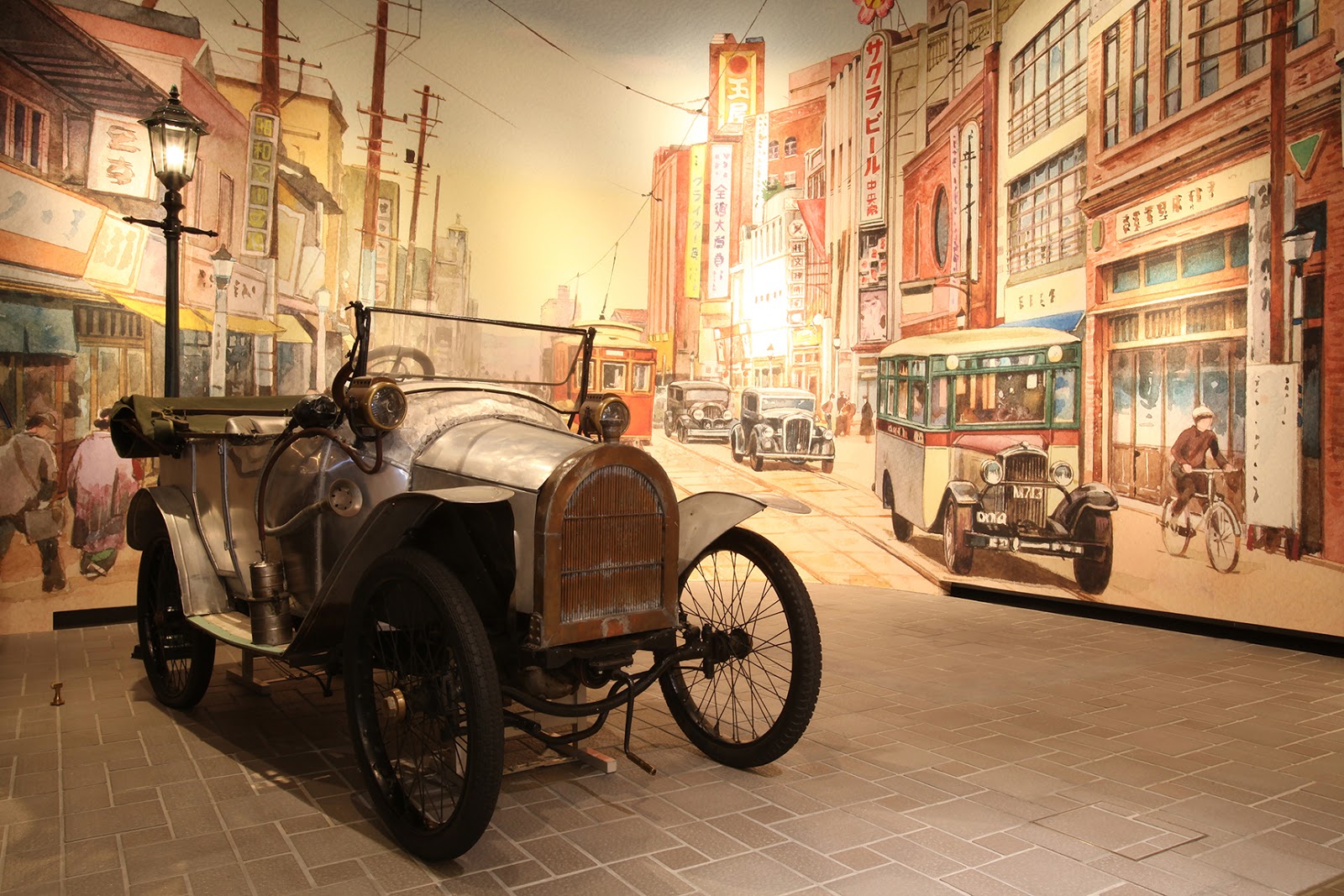
“Fukuoka City in the Taisho and Showa Periods: Arrow Gou, a Car, and the Period It Had Been Running Through”.
The ticket price for both exhibition rooms is 200 yen. It even includes free entrance to the permanent and feature exhibition rooms. Yes, you can see the whole museum for 200 yen now!


For just 200 yen, you’ll get a chance to be exposed to large number of hidden treasures of Fukuoka!! Remarkable, don’t you think?

At “The First Public Exhibition of Newly Acquired Objects ” 28th, you can see our latest gathering of cultural properties and the result of the research. 


At the “Fukuoka City in the Taisho and Showa Periods: Arrow Gou, a Car, and the Period It Had Been Running Through”, you can expect to learn all about a car called “Arrow Gou”, which is the oldest Japanese made vehicle still in drivable condition 100 years after its creation.

【Admission Fee】
200 yen
【Opening Period】
Saturday, November 19th, 2016 to December 25th 2016

Posted by Takamura

2016年12月1日木曜日

福岡を空と海という視点から振り返る―市史講演会を開催しました

11月26日(土)に博物館講堂で市史講演会を開催しました。

数日前からぐっと冷え込んでいることに加え、当日はなんだか雲行きのあやしい空模様。どれくらいの方に来ていただけるのか心配でしたが、開場時間になってみれば、150人近い聴講者がお越し下さり、みなさまの熱意に後押しされつつ、開幕!

まずは館長からのご挨拶

講演会は講演2本にセッションという3部構成。講演2本はそれぞれ講演会タイトルでもある「空の福岡」「海の福岡」に対応しており、ふたつの視点から福岡市の足跡をたどってみようという試みです。

まずはじめは「空の福岡」。柴多一雄先生から、戦前の福岡で花開いた民間航空事業を軸に、明治から昭和にかけての福岡の発展についてお話しいただきました。

 柴多一雄先生(長崎大学名誉教授)
フムフム…どこに飛ぶにも福岡は中継地として重要なポイントだった、と…。
 
 
つづいて「海の福岡」。石橋知也先生から、戦後、福岡市が臨海部をどのように整備してきたか、当時の人々がどんな福岡の未来像を描いたのか詳しく講演いただきました。
 
 
 石橋知也先生(福岡大学工学部助教)
福岡市もはじめは北九州と同じく臨海工業地帯を造ろうと計画したものの、やっぱやめ! となったとか。
 
 
最後のセッション。講師のお二人と有馬館長との三者で、これまで振り返ってきた福岡の来歴から、これからの福岡の展望についてのお話がありました。
 
 
セッションの様子。これまでの福岡と、これからの福岡について
 
こんな感じで盛況のなか幕を閉じた講演会。全部で3時間とちょっと長めでしたが、ご参加くださったみなさまにはお礼申し上げます。本当にありがとうございました!
 
なおこの講演会の内容は、市史編さん室で発行している研究誌『市史研究 ふくおか』第12号(来年初夏ごろ発行予定、非売品)に掲載される予定です。
この研究誌は発行後、市内の図書館等に架蔵される予定ですので、聞きたかったけれど参加できなかった、という方はぜひご覧くださいね。
 
市史講演会、次回はまた来年の秋ごろ開催される予定です。どうぞお楽しみに~!

 
posted by たに